Dark Skies and Northern Lights: Alberta After Sunset in Autumn
Jasper is one of the largest dark sky preserves in the world, and autumn is when the aurora returns. Where to stand, what the forecasts actually mean, and how to dress for three hours of waiting.
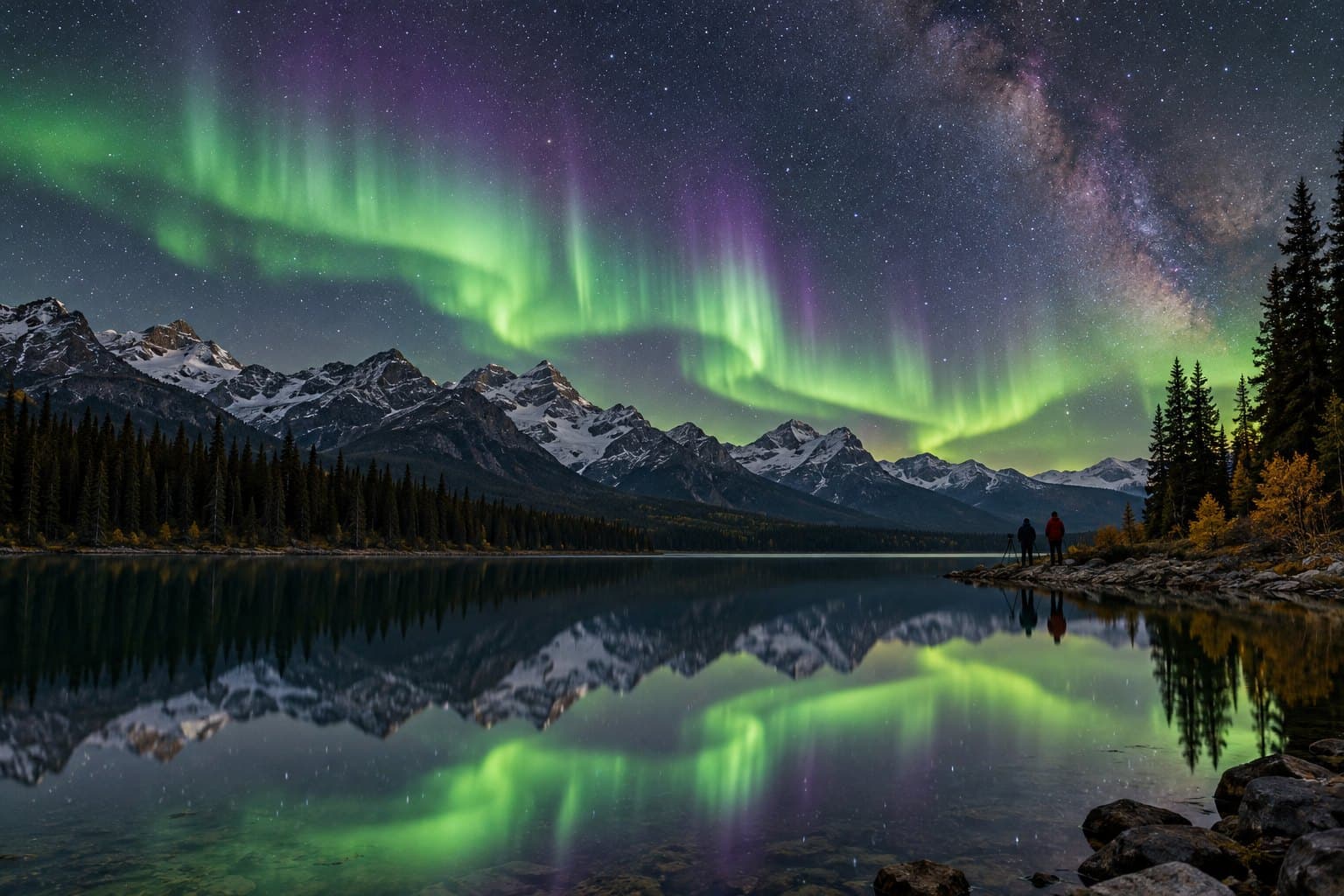
Autumn brings back two things at once: dark nights that arrive at a civilised hour, and the aurora. Between them, the clear cold evenings from late September onward are the best of the year for looking up in Alberta.
Jasper, and why it is different
Jasper National Park is one of the largest accessible dark sky preserves on earth. The lighting in the townsite is deliberately shielded, and twenty minutes outside it there is effectively no light pollution at all. The Jasper Dark Sky Festival runs in October and brings talks, telescopes and a lot of people who know what they are pointing at.
You do not need the festival to enjoy the preserve. You need a clear forecast and somewhere to stand.
Where to stand
- Pyramid Island, Jasper. A short causeway walk, water in front, mountains behind. The obvious choice and still the best.
- Maligne Lake and Medicine Lake. Further out, darker, and worth the drive on a good night.
- Lake Annette and Lake Edith. Close to town, easy access, good northern horizon.
- Abraham Lake, on Highway 11. Outside the parks, wide open to the north, and a serious aurora spot.
- Vermilion Lakes, Banff. Convenient rather than dark, but a strong show still reads.
Reading the forecast without kidding yourself
Two things have to line up: geomagnetic activity and clear sky. Kp indices and aurora apps tell you the first. They do not tell you whether cloud will sit on the Front Ranges all night, which is what usually ruins the plan.
Treat a Kp of 4 or above with a clear forecast and a dark northern horizon as worth the drive. Below that from this latitude you are hoping. Give yourself a window of three or four hours rather than an hour, because the show comes in pulses and the good one often arrives at one in the morning.
What it is actually like
Cold, and darker than people expect. Bring more layers than you think, a headlamp with a red mode so you do not blind everybody, a hot drink, and a folding chair if you have one. Phones now shoot the aurora better than most cameras did a decade ago, but a small tripod turns a smear into a photograph.
The drive is the hard part
Aurora viewing means being somewhere remote at midnight and driving home afterwards, often on a mountain road with wildlife on it, after four hours of standing in the cold. That is the part people underestimate.
We run night trips out of Calgary, Canmore and Banff through the autumn: out to a dark site, wait as long as it takes, and a warm vehicle to come back to. Nobody has to be the one who stays awake for the drive home.
Going somewhere in this story?
Fixed rates, a professional chauffeur and a car that fits the weather. Tell us the date and we will quote it.
Book Transfer.Keep reading
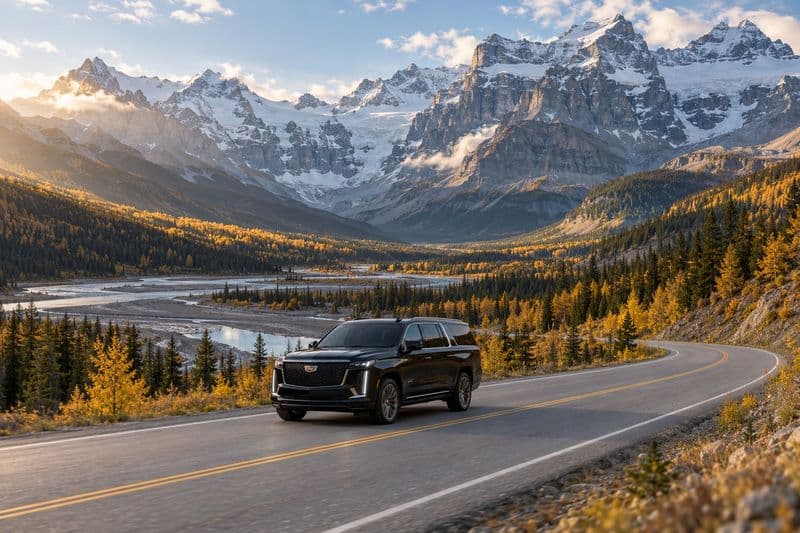
The Icefields Parkway in Autumn: The Best Month to Drive It
September and early October give you the Parkway at its best: low light, gold larches, no summer convoy. Here is what is open, what has closed for the season, and how to time the stops.
Read the post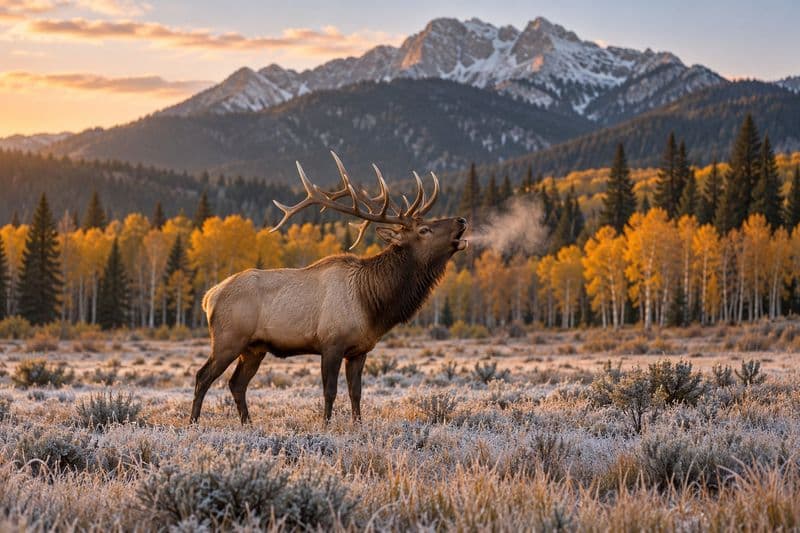
The Elk Rut: What Autumn Sounds Like in Banff and Jasper
From early September to mid-October the bull elk bugle, and they are genuinely dangerous. Where to hear them, how far back to stand, and why the townsite is the worst place to get close.
Read the post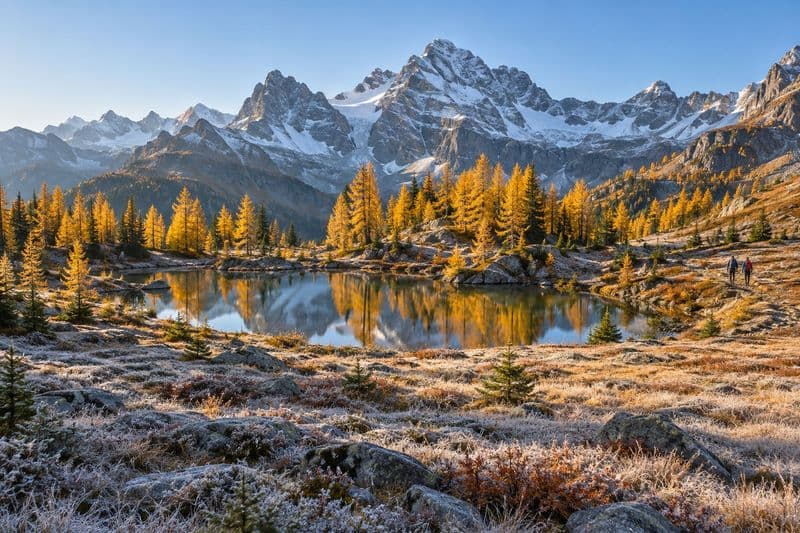
Larch Season in Alberta: When to Go and Where to Stand
Alberta’s only deciduous conifer turns gold for about two weeks each September. Here is when the colour peaks, which valleys hold it longest, and how to reach them without fighting for a parking space.
Read the post